What Integrity Means for ESG Numbers
Integrity is a plain idea with four parts: a figure is accurate, complete, consistent, and unaltered since it was approved. When all four hold, a number can be trusted; when one fails, the whole figure is suspect. This lesson builds the shared definition the rest of the module depends on and explains why integrity, not effort or good intentions, is the true foundation of trust.
By the end you can
- Define data integrity through its four parts: accuracy, completeness, consistency and being unaltered.
- Explain why a single failing part makes a whole figure suspect.
- Distinguish integrity from good intentions and hard work.
- Explain why integrity is the foundation on which trust in a number rests.
Integrity in plain terms
When an auditor or an investor asks whether they can trust a sustainability figure, they are really asking about its integrity. That word has a precise, practical meaning built from four parts. A figure has integrity when it is accurate (it reflects what actually happened), complete (nothing that should be counted has been left out), consistent (it is calculated the same way across sites and across years, so like is compared with like), and unaltered (no one has quietly changed it since it was approved). Hold all four and the number can be believed. Miss one and the number is in doubt, however sincere the team behind it.
Why one weak link breaks the chain
These four parts are not a menu to pick from; they work together. Imagine an emissions figure that is accurate, complete and consistent, but that someone edited after sign-off without telling anyone. It is now unreliable, because you can no longer be sure the published number is the approved one. Or picture a figure that is unaltered and consistent but missing three of a firm's ten factories. Its completeness has failed, so the total is simply wrong. A single failing part contaminates the whole figure. This is why leaders should treat integrity as a property of the number as a whole, not a box-ticking checklist where three out of four is a pass.
Integrity is not the same as good intentions
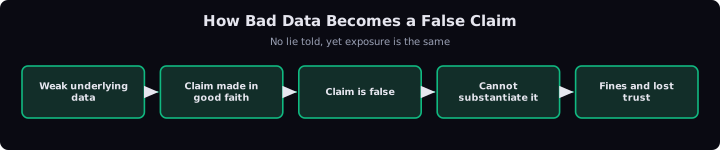
A common and costly assumption is that a hard-working, well-meaning team automatically produces figures with integrity. It does not. A team can spend weeks gathering data in good faith and still publish a number that is incomplete because a supplier's data never arrived, or inconsistent because two regions measured the same thing differently. Integrity is about the properties of the data and the process, not the sincerity of the people. This distinction matters because it points to the fix: better systems and controls, not merely more effort or more goodwill.
Why integrity is the foundation of trust
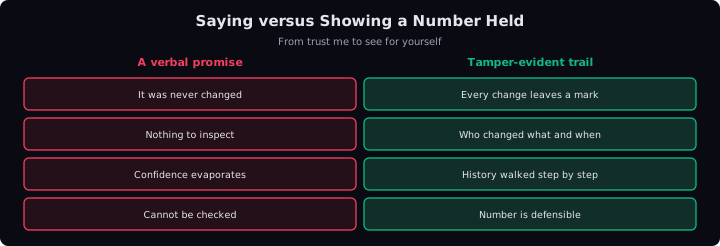
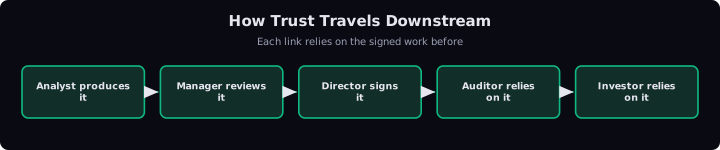
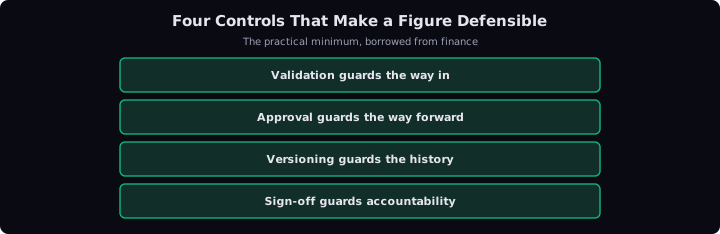
Everything else in this module rests on this idea. Tamper-evidenceA property whereby any change to a figure leaves a visible, undeniable mark, so no alteration can be made silently. It differs from preventing all change, since legitimate corrections still occur., audit trails, attestation and controls are all techniques for protecting and proving the four parts of integrity. Trust is the outcome; integrity is the foundation beneath it. A bank lending against a firm's carbon figures, an auditor giving an opinion, a regulator testing a green claim, all of them are, in the end, testing integrity. Consider a company that states a fifteen per cent cut in emissions. If the figure is accurate, complete, consistent and provably unchanged since approval, the claim stands. If any part is shaky, the claim is a liability waiting to surface. Get integrity right and trust follows; neglect it and no amount of polish will save the number.

Check your understanding
Answer each from memory. Your results are saved in this browser and count toward your readiness — sign in (account panel above) to keep them across devices.
Which set best describes the four parts of data integrity for an ESG number?
An emissions figure is accurate, complete and consistent, but was edited after sign-off without record. What is true of its integrity?
Why can a sincere, hard-working team still publish a number that lacks integrity?